Best AI SDR Software: 12 Tools Compared (2026)
Comparing AI SDR software? We ranked 12 - 11x, Artisan, AiSDR, Amplemarket and more - on what they automate, how they price, and the gap every AI SDR leaves.
Why trust this list?
Peter Duffy has spent 20+ years in B2B sales and has used or evaluated most of the tools on this list first-hand. These recommendations are based on real experience - not sponsorships or affiliate deals.
An AI SDR is software that automates the work of a sales development rep: building target lists, researching accounts, writing and sending cold outreach across email and LinkedIn, following up, and booking meetings. The best AI SDR tools in 2026 - 11x, Artisan, AiSDR, Qualified, Regie.ai, Salesforge, Reply.io, Amplemarket, Apollo.io, Salesmotion, Vector Agents, and GrowthEffect - differ mainly in how much of that outbound stack they own and how they price it. This guide compares them, and then covers the one thing every AI SDR leaves unsolved: the conversation that starts the moment a prospect actually replies.
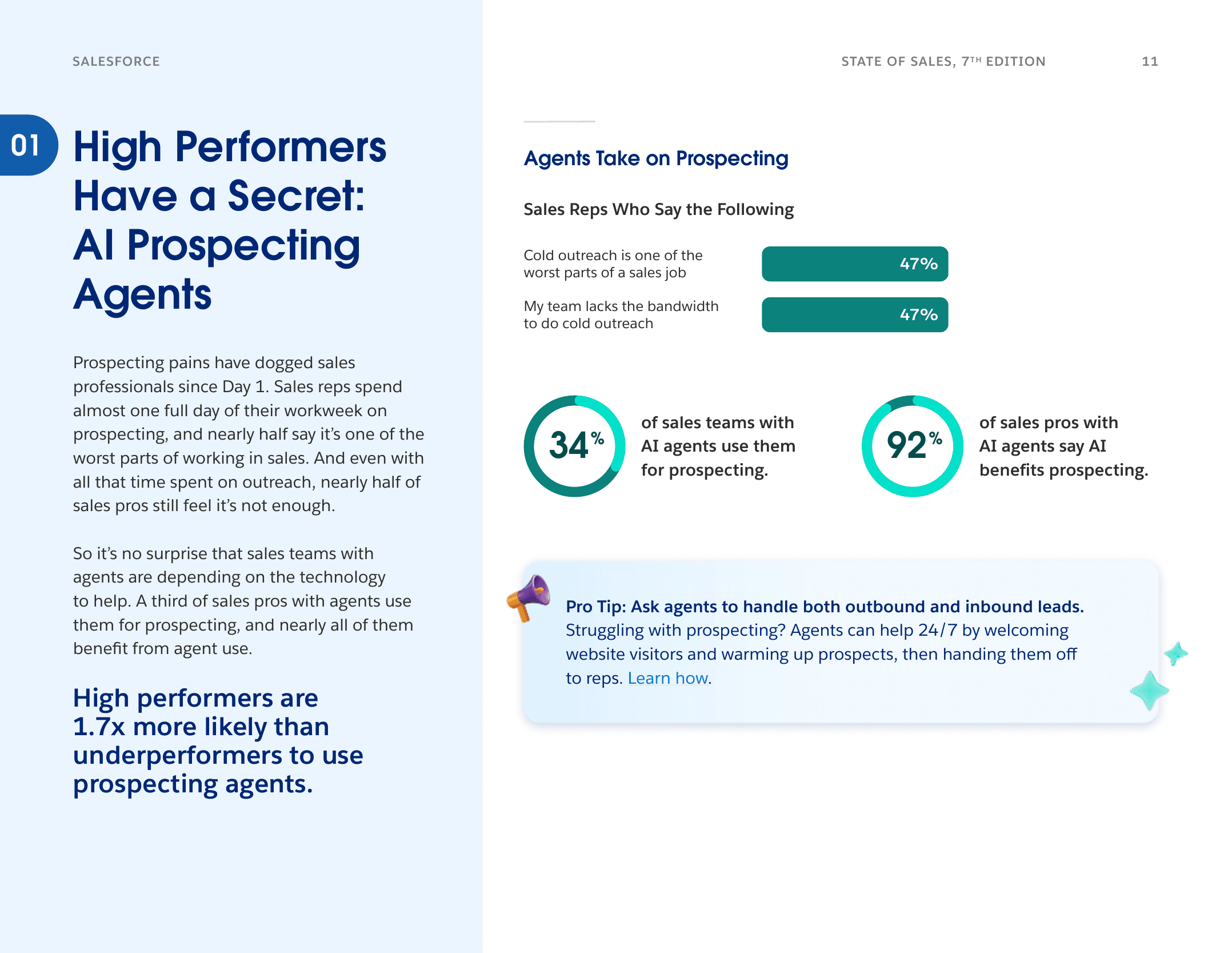
The category is growing fast because buying behaviour has shifted. Buyers now run most of their evaluation themselves, before they ever want to talk to a rep - so teams are automating the top of the funnel to keep pace.
Sources: Gartner, 2026; Gartner, 2026; Salesforce State of Sales, 2026.
Hold onto those last two numbers. Buyers want to self-serve, but 69% still need a human to validate what they find before they commit. That tension is exactly where AI SDR tools stop short - and we come back to it at the end.
Quick Navigation
- What Is an AI SDR?
- The 12 Best AI SDR Tools
- Comparison Table
- The Gap Every AI SDR Leaves
- How to Choose
- FAQs
What Is an AI SDR?
An AI SDR (AI sales development representative) is an autonomous agent that runs top-of-funnel outbound prospecting. It does the repetitive work a human SDR does - find prospects matching your ICP, research them, write personalised first-touch messages, send across email and LinkedIn, manage follow-up cadences, and book qualified meetings - at higher volume and around the clock.
In practice, "AI SDR" and "AI BDR" describe the same thing. Vendors use the titles interchangeably; we break that down in What Is an AI BDR?. The common thread is that an AI SDR is a sender - it is optimised to push messages out and get replies.
Source: Salesforce State of Sales, 2026.
The 12 Best AI SDR Tools
We grouped the field by what each tool is really built for: full-stack outbound autonomy, transparent mid-market outbound, inbound website conversion, rep-assist, deliverability-led sending, budget entry points, and signal-led research. The split that matters most in 2026 is not feature lists but how much judgment you hand over - the tools at the top of this list run the motion for you, and the ones lower down prepare the work and leave the send to a human.
1. 11x (Alice) - Best for Enterprise Outbound Autonomy
Best for: Enterprise teams that want to replace SDR capacity, not assist it
11x positions its agent, Alice, as a digital worker that owns the entire outbound workflow end to end - researching prospects, writing and sending personalised outreach, managing follow-ups, handling simple objections, and booking meetings. It is the most "replace the headcount" pitch in the category.
Strengths:
- Full-stack autonomy - runs the outbound motion with minimal human input
- Multi-channel outreach across email and LinkedIn
- Built for high volume and enterprise data sources
Watch-outs:
- Enterprise pricing - third-party estimates put it well above $50,000/year
- "Replace the SDR" framing puts heavy pressure on message quality and deliverability at volume
- Highest-stakes deployment in this list - the autonomy that is its selling point also concentrates the risk
2. Artisan (Ava) - Best All-in-One Outbound Platform
Best for: Teams that want data enrichment and sending in one tool
Artisan combines B2B prospect data with outbound execution through its agent, Ava. It enriches leads with firmographic and technographic data, generates emails, and runs follow-ups - so you are not stitching a data provider and a sending tool together yourself.
Strengths:
- Unified data + outreach reduces the number of tools in the stack
- Heavy brand presence has made it a default name in the category
- Handles enrichment and sequencing in one place
Watch-outs:
- All-in-one means you are betting on its data quality, not your own preferred provider
- Generated-from-firmographics personalisation is increasingly easy for buyers to spot
3. AiSDR - Best for Transparent Mid-Market Pricing
Best for: Mid-market teams that want a fast, published-price starting point
AiSDR runs on a simple premise: define your ICP, and the agent finds matching prospects, writes personalised emails, sends follow-ups, handles replies, and books meetings. Notably, it publishes pricing on its site - starting around $900/month - which is rare in a category full of "contact sales."
Strengths:
- Transparent, published pricing - easy to evaluate without a sales call
- Straightforward ICP-to-outreach workflow
- Accessible entry point relative to enterprise platforms
Watch-outs:
- Reply handling is automated - good for triage, less so for nuanced questions
- Mid-market positioning means fewer enterprise controls than 11x
4. Qualified (Piper) - Best for Inbound Website Conversion
Best for: Salesforce teams converting existing website traffic
Qualified's agent, Piper, is the outlier here: it is an inbound AI SDR. Rather than send cold outreach, Piper lives on your website, engages visitors in real time, qualifies them, and books meetings. It is built to run on the Salesforce stack.
Strengths:
- Strong for turning paid and organic traffic into booked meetings
- Real-time engagement with site visitors
- Deep Salesforce integration
Watch-outs:
- Inbound only - it does no outbound prospecting
- Third-party estimates put it in the ~$40,000-$68,000/year range, and the Salesforce dependency raises the real all-in cost
5. Regie.ai - Best for Rep-Assist (Not Full Replacement)
Best for: Teams that want AI to support human reps rather than replace them
Regie.ai sits closer to the "co-pilot" end of the spectrum, combining an auto-pilot agent for routine outreach with tooling that supports human reps on the messaging and content side. It is a softer landing for teams not ready to hand the whole motion to an agent.
Strengths:
- Blends automation with human-in-the-loop control
- Useful for teams standardising outbound messaging quality
- Lower-risk adoption path than full autonomy
Watch-outs:
- Less hands-off than 11x or AiSDR by design
- Value depends on reps actually using the assist features
6. Salesforge (Agent Frank) - Best for High-Volume Cold Email
Best for: Teams scaling cold email across many inboxes
Salesforge's agent, Agent Frank, focuses on programmatic cold email at scale, with strong emphasis on deliverability and inbox management - the part that quietly makes or breaks high-volume outbound.
Strengths:
- Deliverability and inbox rotation built into the workflow
- Designed for volume without torching sender reputation as fast
- Competitive entry pricing for the outbound-email use case
Watch-outs:
- Narrower than the full-stack platforms - email-led rather than multi-channel
- Volume-first approach still depends on list and message quality
7. Reply.io (Jason AI) - Best for Sales Engagement Add-On
Best for: Teams already using a sales engagement platform
Reply.io's Jason AI layers agentic prospecting and reply handling onto an established sales engagement platform. If you already run multichannel sequences in Reply, Jason is an incremental step rather than a new system to adopt.
Strengths:
- Builds on a mature multichannel engagement platform
- Lower switching cost if you are already a Reply customer
- Handles sequencing, replies, and meeting booking in one place
Watch-outs:
- Best value is realised inside the Reply ecosystem
- Agentic features are newer than the core platform around them
8. Amplemarket - Best for Outbound With Deliverability Built In
Best for: Teams that want sending and inbox health handled in the same platform
Amplemarket pairs prospect data with AI-assisted outreach, and its distinguishing detail is unglamorous but consequential: email warm-up is native to the platform. Most tools in this category assume you are running a separate warm-up service alongside them, which is a second subscription and a second thing to get wrong.
Strengths:
- Native warm-up removes a dependency most competitors leave to you
- Data and sending in one platform, so enrichment and sequencing stay in sync
- Established in the category with a mature multichannel feature set
Watch-outs:
- Pricing is quote-based; third-party estimates commonly put teams in the $500-$2,000/month range
- Breadth means you are adopting its data layer as well as its sender
9. Apollo.io - Best Budget Entry Point
Best for: Small teams that want most of the outcome without a five-figure commitment
Apollo.io is the pragmatist's option: a large contact database, a sequencer, and AI writing assistance in one place, with a free tier and published per-seat pricing from around $49/user/month. It is less autonomous than the agents above - it assists a rep rather than replacing one - but it is the only tool here you can evaluate properly without talking to anyone.
Strengths:
- Genuinely published pricing and a free tier - rare in this category
- Database, sequencing and AI assistance in a single subscription
- Low commitment makes it a sensible first step before buying an autonomous agent
Watch-outs:
- Assistive rather than autonomous - it will not run the motion unattended
- Per-seat pricing means the economics invert as the team grows
- Database quality varies by region and vertical; test your own ICP before committing
10. Salesmotion - Best for Signal-Led Research
Best for: Teams whose problem is relevance, not volume
Salesmotion sits deliberately on the augmentation side of the split. Its Signal Agent monitors public sources - news, earnings calls, filings, job postings, LinkedIn activity - for buying signals across target accounts; a Research Agent turns those into account briefs; and an Outreach Agent drafts email and LinkedIn messages anchored to the specific signal it found. The rep still sends.
Strengths:
- Messages are anchored to a real, checkable event rather than firmographic filler
- Account briefs are useful to AEs and CS, not just SDRs
- Human-in-the-loop by design, so it does not carry the deliverability risk of unattended volume
Watch-outs:
- Not a replacement for a sender - you still need something to run cadences at volume
- No published pricing; evaluation starts with a demo
- Signal-led outbound is only as good as your account list, so it rewards teams with a tight ICP
11. Vector Agents (Lilian) - Best for Multi-Function Digital Workers
Best for: Companies automating several departments, not just sales
Vector Agents takes a wider swing than the rest of this list. Its AI SDR, Lilian, handles lead generation and personalised outreach, but sits alongside agents for finance, support, HR and data analysis on a shared platform with 700+ app integrations and both SaaS and on-premise deployment.
Strengths:
- One platform and one procurement process across several functions
- On-premise deployment is unusual here and matters in regulated environments
- Broad integration surface reduces custom plumbing
Watch-outs:
- Breadth cuts both ways - a sales-only buyer is paying for a platform built for more
- No published pricing; demo-led evaluation
- Assess Lilian against sales-native tools on its own merits, not on the platform's overall scope
12. GrowthEffect (Vera) - Best for Pairing Inbound and Outbound
Best for: Teams that want the same layer answering inbound and running outbound
GrowthEffect runs two agents as a pair: Vera handles outbound prospecting and pipeline generation, while Alim handles inbound lead response and qualification. It positions itself as a managed execution layer with human oversight retained rather than an autonomous replacement.
Strengths:
- Inbound and outbound handled by one system, so the handoff between them is not a gap
- Managed positioning means less configuration burden on a small team
- Explicit human oversight rather than unattended autonomy
Watch-outs:
- "Managed" means a service relationship, not just software - factor that into the comparison
- No published pricing
- Inbound qualification here is lead routing, not a buyer-facing conversation (see the section below)
Comparison Table
| Tool | Primary motion | Best for | Pricing signal |
|---|---|---|---|
| 11x (Alice) | Outbound, full autonomy | Enterprise replacement | Enterprise (est. $50k+/yr) |
| Artisan (Ava) | Outbound + data | All-in-one stack | Mid-market to enterprise |
| AiSDR | Outbound | Transparent mid-market | Published, ~$900/mo+ |
| Qualified (Piper) | Inbound | Website conversion (Salesforce) | Enterprise (est. $40k+/yr) |
| Regie.ai | Outbound + assist | Human-in-the-loop teams | Mid-market |
| Salesforge (Agent Frank) | Outbound email | High-volume cold email | Entry to mid-market |
| Reply.io (Jason AI) | Outbound | Sales-engagement add-on | Mid-market |
| Amplemarket | Outbound + data | Deliverability built in | Quote-based (est. $500+/mo) |
| Apollo.io | Outbound, assistive | Budget entry point | Published, free + ~$49/user/mo |
| Salesmotion | Research + drafting | Signal-led relevance | Quote-based |
| Vector Agents (Lilian) | Outbound, multi-agent | Cross-department automation | Quote-based |
| GrowthEffect (Vera) | Outbound + inbound | Managed execution layer | Quote-based |
Pricing signals are directional and drawn from public pages and third-party estimates as of mid-2026. Confirm current pricing with each vendor.
How to read this table: the first seven run the motion for you to varying degrees; Apollo and Salesmotion prepare the work and leave the send to a rep. That distinction matters more than any feature comparison, because it decides whether your deliverability and your brand voice are in a human's hands or an agent's.
Your AI SDR sends the message. Who answers the reply?
Parsley is the presales agent that handles the prospect who clicks - and captures the buying signal in what they ask.
Get started freeThe Gap Every AI SDR Leaves
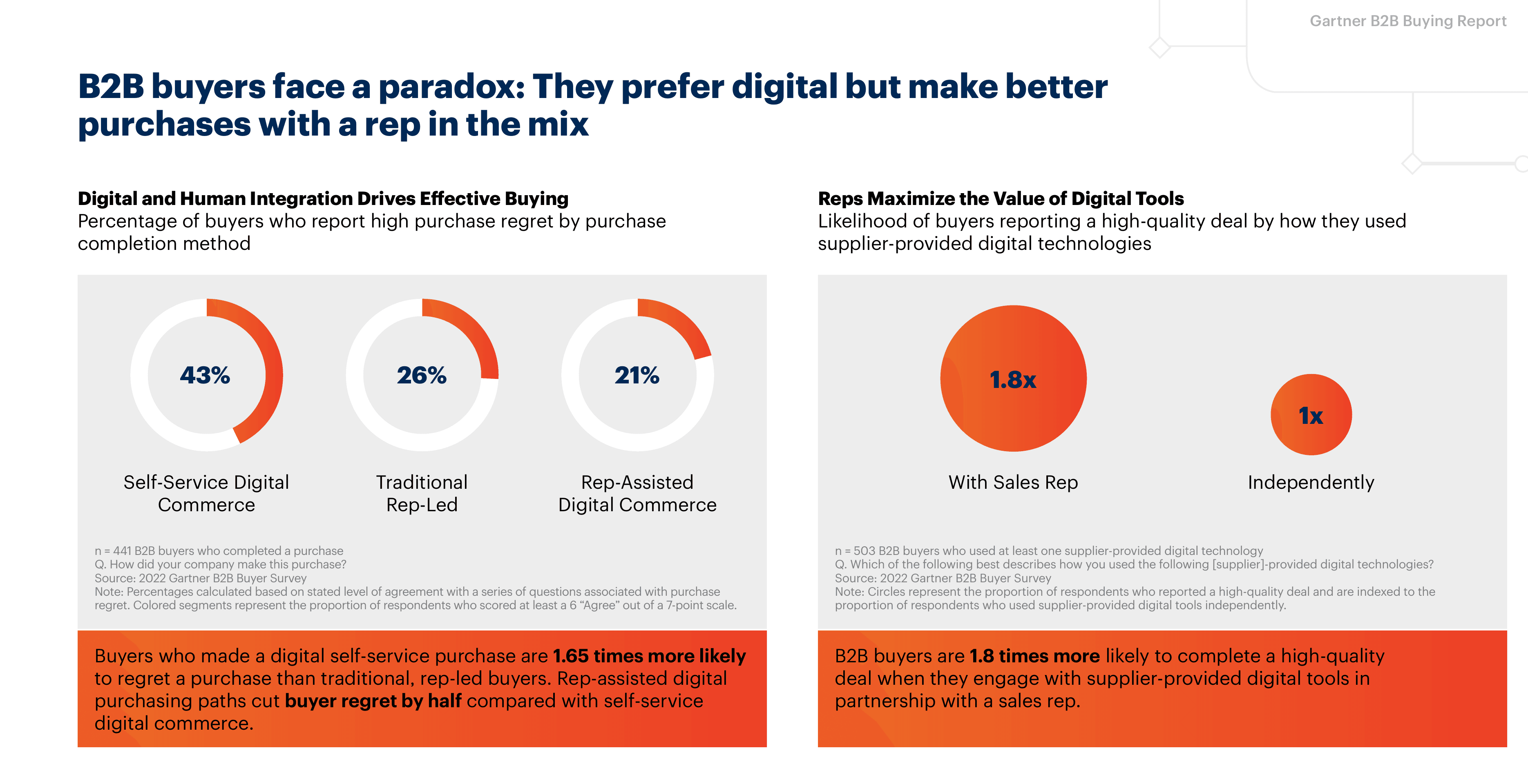
Every tool above is a sender. That is the job - reach more prospects, more consistently, than a human team can. But look again at the Gartner data: 67% of B2B buyers want to research rep-free, and yet 69% still turn to a person to validate what they have learned before they buy.
That validation moment has a precise location in the funnel. The AI SDR fires a personalised email. It works. The prospect clicks the link - and immediately has a question: Does this integrate with our CRM? What does pricing look like for a team of 40? How is this different from the tool we already use?
At that exact moment, the AI SDR has done its job and stepped away. The prospect lands on a static page, or replies into a cadence that fires back another templated follow-up. The conversation the outreach created goes unanswered - and the buying signal in that question, the single most valuable thing the prospect just told you, is never captured.
Source: Gartner, 2026.
This is not a flaw in any one product. It is structural. Outbound automation optimises for reach; answering the prospect who clicks is a different job, on a different surface, with a different metric - depth, not volume. That is why outbound and inbound agents are structurally different products, and why bolting a chatbot onto an AI SDR does not close it either - see AI chatbot vs AI SDR.
Where a presales agent fits
Parsley is not an AI SDR. It does not build lists, write cold emails, or send a single message. It is the complementary layer that handles the conversation the AI SDR starts.
The division of labour is clean. The AI SDR (or a human rep) opens the conversation by reaching out. You drop a Parsley link on your LinkedIn profile, then in cold emails, InMails, post-call recap emails, and signatures - wherever your outbound lands. When the prospect clicks, an AI presales agent powered by Google Gemini answers their questions from your own sales docs, and passively captures first-party buyer intent from the conversation.
That intent is the part outbound automation throws away. When a prospect asks "how does this handle SOC 2?" or "can it sync to HubSpot for a 30-person team?", that question is a buying signal captured from conversation - scored and synced to your CRM against a named contact, without a discovery call. The rep who sent the link walks into the next call already knowing what the prospect cares about. It is a natural pairing for SDR-led teams, human or AI: the sender creates reach, the presales agent turns the clicks into captured intent.
How to Choose
| If you need... | Start with |
|---|---|
| To replace SDR headcount at enterprise scale | 11x |
| Data enrichment and sending in one platform | Artisan |
| Transparent pricing and a fast start | AiSDR |
| To convert inbound website traffic | Qualified |
| AI that assists reps, not replaces them | Regie.ai |
| High-volume cold email with deliverability focus | Salesforge |
| An add-on to an existing engagement platform | Reply.io |
| Sending and inbox warm-up handled in one platform | Amplemarket |
| To start cheaply, with published pricing and a free tier | Apollo.io |
| Relevance over volume, with reps still sending | Salesmotion |
| AI agents across several departments, not just sales | Vector Agents |
| One layer covering both inbound response and outbound | GrowthEffect |
| To answer and qualify the prospects your outbound reaches | Parsley (alongside any of the above) |
A practical sequence for most teams: pick the AI SDR that matches your motion and budget, then add a presales layer so the replies that outbound generates actually get answered and captured. The two stack cleanly into the same CRM record, so adding the second does not disrupt the first.
Frequently Asked Questions
What is the best AI SDR tool in 2026?
There is no single best - it depends on your motion. For full outbound autonomy at enterprise scale, 11x leads. For transparent mid-market pricing, AiSDR. For converting inbound website traffic, Qualified (Piper). For rep-assist rather than replacement, Regie.ai. For the cheapest credible starting point, Apollo.io, which publishes per-seat pricing and offers a free tier. For relevance rather than volume, Salesmotion. Match the tool to whether you need outbound volume, inbound conversion, or human-in-the-loop control.
What is the best AI sales agent for outbound sales?
"AI sales agent" is the umbrella term, and it covers two different jobs. Sending agents run the outreach itself - 11x, Artisan, AiSDR, Amplemarket, Salesforge (Agent Frank) and Reply.io (Jason AI) are the strongest in 2026, and every tool compared above belongs in this group. Answering agents handle the prospect who clicks or replies, which is a different product with a different metric: depth of conversation and intent captured, not volume sent. Parsley is an answering agent - an AI presales agent for outbound - and it is deliberately not an AI SDR. Most teams asking this question need one of each: a sender to create reach, and a presales agent so the replies that reach generates actually get answered and captured.
What is the difference between an AI SDR and an AI BDR?
In practice, nothing. Vendors use SDR (sales development representative) and BDR (business development representative) interchangeably to describe AI that automates outbound prospecting - list building, cold outreach, follow-up, and meeting booking. The distinction between the two titles has always varied by company.
How much do AI SDR tools cost?
Pricing ranges widely. At the low end, Apollo.io publishes per-seat pricing from around $49/user/month with a free tier. Transparent mid-market tools like AiSDR publish rates starting around $900/month, and Amplemarket is commonly estimated in the $500-$2,000/month range. Enterprise platforms such as 11x and Qualified are estimated in the tens of thousands per year and are sold through "contact sales." Most of the newer agent platforms - Salesmotion, Vector Agents, GrowthEffect - are demo-led with no published rates. Always confirm current pricing directly, and factor in any platform dependencies (for example, Qualified's reliance on Salesforce).
Do AI SDRs replace human sales reps?
Not entirely. AI SDRs absorb the repetitive top-of-funnel work - list building, first-touch outreach, follow-up sequences - which reduces how many people a team needs for raw volume. But judgment-heavy work like objection handling, multi-threading, and validating a buyer's decision still needs humans. Gartner found 69% of B2B buyers still turn to a rep to validate AI-generated insights.
Is Parsley an AI SDR?
No. Parsley does not send a single cold message. It is a presales agent that handles the conversation after an AI SDR or human rep opens it: when a prospect clicks the link in an outbound message, Parsley answers their questions from your sales docs and captures first-party buyer intent. The AI SDR starts the conversation; the presales agent handles and qualifies it.
The Bottom Line
AI SDR tools have made outbound prospecting faster, cheaper, and tireless. The twelve here are the strongest options in 2026, spanning full autonomy (11x), all-in-one outbound (Artisan), transparent mid-market (AiSDR), inbound conversion (Qualified), rep-assist (Regie.ai), high-volume email (Salesforge), engagement add-ons (Reply.io), built-in deliverability (Amplemarket), budget entry (Apollo.io), signal-led research (Salesmotion), cross-department agents (Vector Agents), and managed inbound-plus-outbound (GrowthEffect).
But every one of them ends its job at the moment a prospect replies - and that reply is where the buying decision actually gets made. Parsley is the presales agent that handles that moment: drop your link on your LinkedIn profile, in cold emails, InMails, and recap emails, and let the AI answer every prospect your outreach reaches - capturing what they want and syncing it to your CRM. The AI SDR starts the conversation. Parsley handles it.